Harvard suffers new breach after phone phishing attack

NEWNow you can listen to Fox News articles!
Elite universities like Harvard, Princeton, and Columbia spend fortunes on research, talent, and digital infrastructure. Even then, they have become easy targets for attackers who see massive databases full of personal information and donation records as a gold mine. In recent months, leaks on Ivy League campuses have exposed the same problem. These institutions handle huge amounts of sensitive data, but their internal defenses often don’t match the scale of what they store. That pattern brings us to the most recent incident at Harvard, which exposed a database of alumni, donors, some students and faculty to hackers.
Sign up to receive my FREE CyberGuy report
Get my best tech tips, urgent security alerts, and exclusive offers delivered right to your inbox. Plus, you’ll get instant access to my Ultimate Guide to Surviving Scams, free when you join me CYBERGUY.COM information sheet.
CHECK IF YOUR PASSWORDS WERE STOLEN IN A MAJOR LEAK
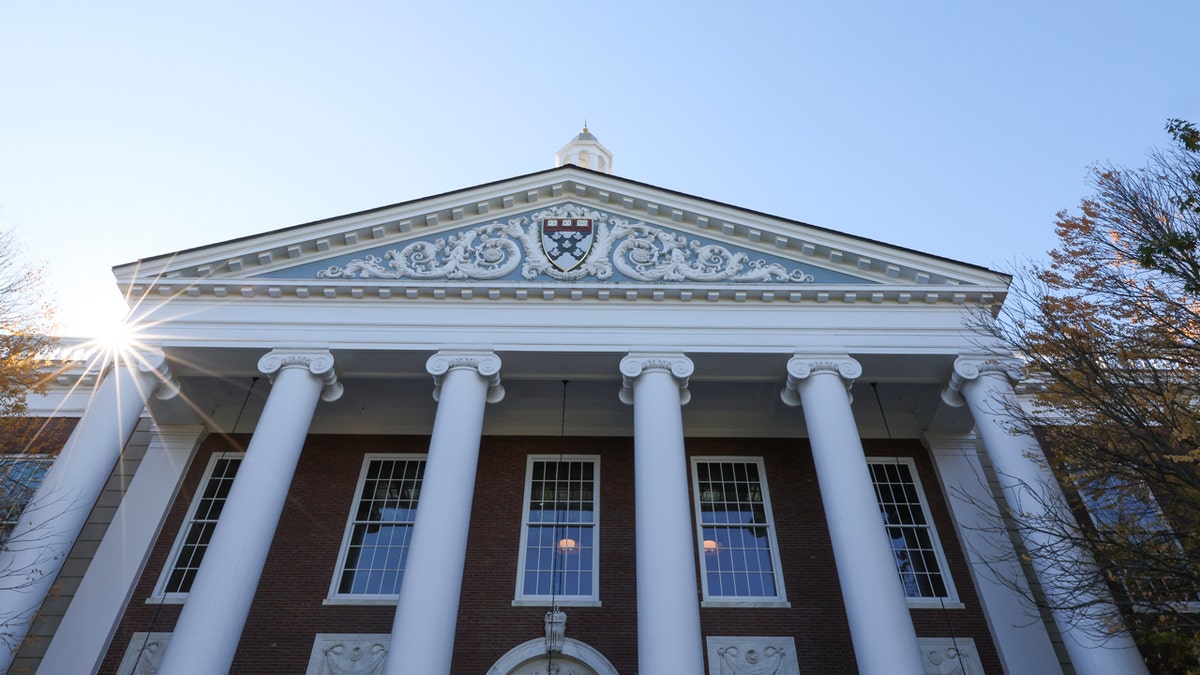
Elite universities possess enormous amounts of personal and financial data that make them irresistible targets for attackers. (Photo by Aaron M. Sprecher/Getty Images)
Phone phishing attack unlocks Harvard data
Harvard confirmed that an unauthorized party accessed a database linked to alumni, donors, faculty and some students. This happened after a phone phishing attack tricked someone into giving the attacker entry into the system.
“On Tuesday, November 18, 2025, Harvard University discovered that an unauthorized party accessed information systems used by Alumni Affairs and Development as a result of a telephone phishing attack,” the university said in a notification posted on its website. “The University acted immediately to remove the attacker’s access to our systems and prevent future unauthorized access.”
The exposed data includes personal contact details, donation histories and other records linked to the university’s fundraising and alumni operations. For Harvard, a school that routinely raises more than $1 billion a year, this database is one of its most valuable assets, making the breach even more serious.
This is also the second time Harvard has had to investigate a violation in recent months. In October, it looked into reports that its data had been caught up in a broader hacking campaign targeting Oracle customers. That previous warning already demonstrated that the school is in a high-risk category. This latest violation only confirms it.
SCAMMERS NOW IMAGINE CO-WORKERS AND STEAL EMAIL THREADS IN CONVINCING PHISHING ATTACKS
Harvard’s latest breach began with a phone phishing scam that allowed an intruder to access a key database of alumni and donors. (Jens Büttner/Picture Alliance via Getty Images)
Ivy League schools are in a growing crisis
Harvard is not alone here. Ivy League campuses have seen a wave of incidents that line up almost back to back. Princeton reported Nov. 15 that one of its databases linked to alumni, donors, students and community members was compromised.
The University of Pennsylvania said Oct. 31 that information systems related to its development and the activities of its alumni were accessed without permission. Columbia has been dealing with even bigger consequences. A breach in June exposed the personal data of approximately 870,000 people, including students and applicants.
These attacks show how universities have become predictable targets. They store identities, addresses, financial records and donor information. They also run sprawling IT systems where a single mistake, a weak password, or a convincing phone call can create an entry point.
Hackers know this and attack repeatedly. The recent cluster of Ivy League breaches suggests that attackers are mapping these environments, looking for shared weaknesses that appear again and again.
NEW EMAIL SCAM USES HIDDEN CHARACTERS TO PASS FILTERS
A wave of incidents on Ivy League campuses shows that hackers are exploiting the same weaknesses over and over again. (Kurt “CyberGuy” Knutsson)
7 steps you can take to protect yourself from these types of data breaches
You can’t prevent a university or company from being breached, but you can make sure your own information is harder to exploit. These steps will help you reduce the consequences when your data ends up in the wrong hands.
1) Activate two-factor authentication (2FA)
Using 2FA gives your accounts an extra layer of security. Even if someone steals your password in a breach, you’ll still need the one-time code from your phone or authenticator app. Blocks most casual attempts and forces attackers to work much harder.
2) Use a password manager
A password manager creates and stores strong, unique passwords for each site you use. This prevents a compromised password from unlocking everything else. It also eliminates the stress of remembering dozens of logins, so you don’t cut corners.
Next, check to see if your email has been exposed in previous breaches. Our #1 pick for password manager includes a built-in breach scanner that checks to see if your email address or passwords have appeared in known breaches. If you discover a match, immediately change any reused passwords and protect those accounts with new, unique credentials.
Check out the best expert-reviewed password managers of 2025 at Cyberguy.com
3) Reduce the personal information that circulates out there
You can request removal of data broker sites, delete old accounts, and trim what you share publicly. When your information is not scattered across the Internet, it is much more difficult for attackers to piece together your identity.
While no service can guarantee complete removal of your data from the Internet, a data deletion service is truly a smart choice. They are not cheap, and neither is your privacy. These services do all the work for you by actively monitoring and systematically deleting your personal information from hundreds of websites. It’s what gives me peace of mind and has proven to be the most effective way to delete your personal data from the Internet. By limiting the information available, you reduce the risk of scammers cross-referencing leak data with information they can find on the dark web, making it harder for them to target you.
Check out my top picks for data removal services and get a free scan to find out if your personal information is already available on the web by visiting Cyberguy.com
Get a free scan to find out if your personal information is already available on the web: Cyberguy.com
4) Be careful with emails, texts and calls.
Phishing doesn’t always present itself as an obvious scam email. Attackers spoof institutions, copy your tone, and pressure you to share details quickly. Slow down, check the message through an official website or helpline and then decide.
The best way to protect yourself from malicious links is to have powerful antivirus software installed on all your devices. This protection can also alert you to phishing emails and ransomware scams, keeping your personal information and digital assets safe.
Get my picks for the best antivirus protection winners of 2025 for your Windows, Mac, Android, and iOS devices at Cyberguy.com
5) Keep your devices fully updated
Many attackers rely on old flaws in operating systems, browsers and applications. Regular updates patch these holes and close the most common attack paths. If you are one of those who delay updates, activating automatic updates will help you.
6) Separate your online identities
Use alias email addresses for banking, education, shopping, and newsletters. If one of them is exposed, it won’t automatically give attackers a map of your entire digital life. It makes targeted scams much more difficult to pull off and also prevents attackers from stealing your identity. By creating email aliases, you can protect your information and reduce spam. These aliases forward messages to your primary address, making it easier to manage incoming communications and prevent data leaks.
For recommendations on private, secure email providers that offer alias addresses, visit Cyberguy.com
7) Use an identity theft protection service
You may also want to consider an identity theft protection service to be safe. Identity theft companies can monitor personal information such as your Social Security number (SSN), phone number, and email address, and alert you if it is sold on the dark web or used to open an account. They can also help you freeze your bank and credit card accounts to prevent further unauthorized use by criminals.
See my tips and best options on how to protect yourself from identity theft at Cyberguy.com
Kurt’s Key Takeaway
Harvard’s latest breach adds to a growing list of cyberattacks that show how vulnerable top universities have become. Even the best-funded institutions are no match for modern threats. When a simple phishing phone call can open the door to sensitive data tied to donors, alumni, and students, it’s clear these campuses need stronger defenses and more proactive monitoring. Until that happens, you can expect more headlines like this and more investigations once the damage is done.
Do you trust universities to protect the personal data you have shared with them? Let us know by writing to us at Cyberguy.com
CLICK HERE TO DOWNLOAD THE FOX NEWS APP
Sign up to receive my FREE CyberGuy report Get my best tech tips, urgent security alerts, and exclusive offers delivered right to your inbox. Plus, you’ll get instant access to my Ultimate Guide to Surviving Scams, free when you join me CYBERGUY.COM information sheet.
Copyright 2025 CyberGuy.com. All rights reserved.
Reference: Read Latest News in Spanish